Rehabilitation Therapy
-

Arm and Shoulder Trigger Points for Massage Therapists
Arm and shoulder trigger points are discrete, focal, hyperirritable spots in a taut band of skeletal muscle in…
-

Physical Therapy for Parkinson’s Disease
Parkinson’s disease (PD) is a complex condition that affects millions of people worldwide. Physical therapists can play a…
-

How Occupational Therapists Can Care for the LGBTQ Community
In 1973, a pivotal moment occurred in the history of mental health diagnosis: homosexuality was removed from the…
-
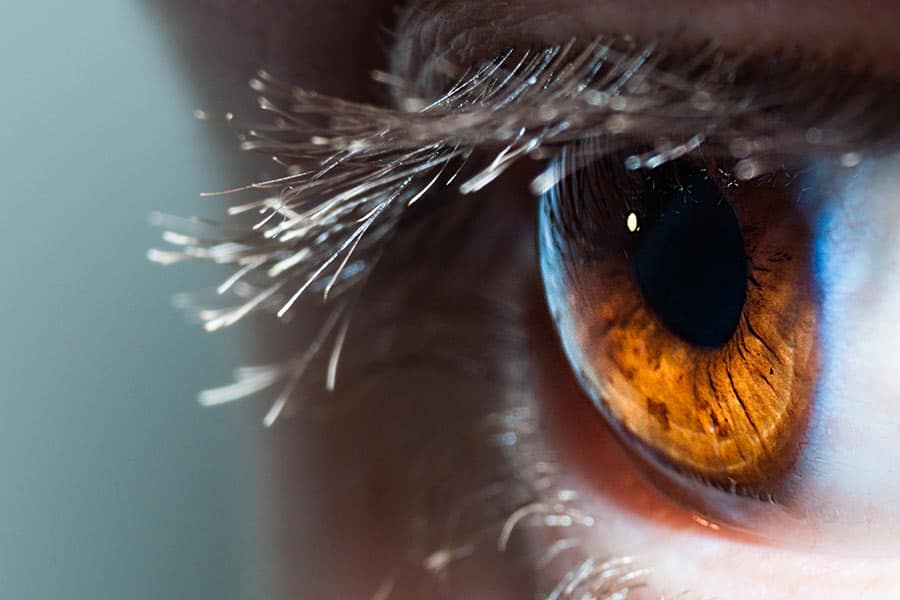
Occupational Therapy for Low Vision
Occupational therapy practitioners (OTPs) play a crucial role in improving the lives of individuals with low vision. Low…
-

Trigger Point Massage Therapy: Hips and Glute Pain
According to studies, about 23 million persons, or 10 percent of the U.S. population, have one or more…
-

Hydration for Athletes
Proper hydration for athletes is vital for top performance. It plays a significant role in overall health, athletic…
-

Physical Therapy for Hip and Knee Injuries: Pathologies and Assessments
Hip and knee injuries are a common sight for physical therapists. The CDC states that nearly half of all…
-

Evidence-Based OT Interventions for Children with Developmental Delays
According to the Centers for Disease Control, 1 in 6 children in the United States have a developmental…
-
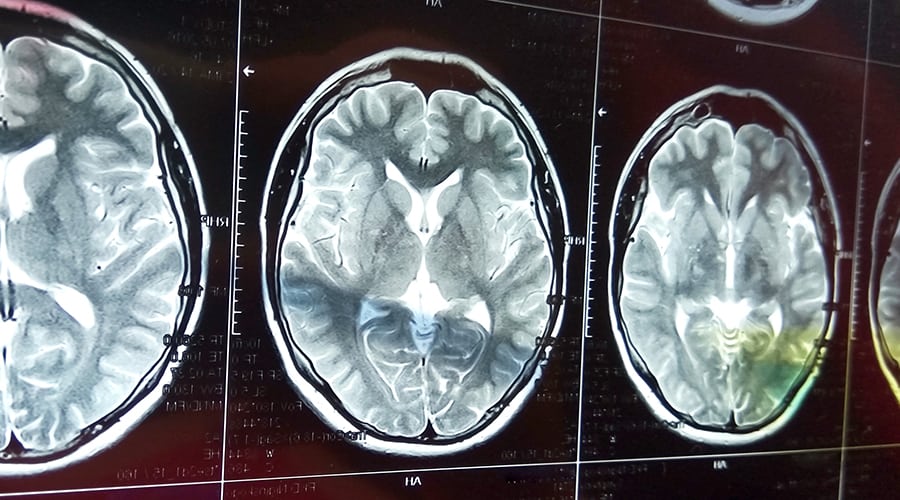
Occupational Therapy for Stroke Patients
The Centers for Disease Control and Prevention reports that every 40 seconds, a person in the United States…
-

Running Injury Treatment: Helping Athletes Return to Sport
Returning to sport after a running injury requires a cautious and systematic approach to ensure the athlete’s full…
-

STIs, HIV, and Massage Therapy
Massage therapy is generally safe for both clients and therapists, as the risk of HIV or STI transmission…
-

A PT’s Guide to Rehabilitation After ACL Surgery
A complex set of tendons and ligaments help stabilize and support the knee joint with its every movement,…
Trending
-

A Nurse’s Guide to Navigating the Worst-Case Scenario
-

The History of Healthcare in the US: A 250-Year Retrospective
-

Mental Health in Veterinary Medicine
-

Managing Athletic Emergencies
-

The Immunization Schedule: What Pharmacists Need to Know
-

Treating Dental Patients in the Correctional System
-

Counseling Couples Experiencing Infertility
-

How Many CEUs Do Ohio Nurses Need for Renewal? A Simple Guide
-

From ER to OR: Transporting Critically Ill Patients
-

What Massage Therapists Need to Know About Carpal Tunnel
-

What Pollution Does to Skin (and Nails and Hair)
-

Why Our Bodies Need Vitamin D